


Fraud Alert
The Bureau of Justice Assistance (BJA) has received reports of imposter scams in which scammers are claiming to be BJA personnel. Do not provide personal identifiable information, financial account information, or money in response to these false claims. Learn more.
Recent News
Funding Resources
See the Available Funding page for current solicitations designed to support a variety of efforts.
Learn about the different steps associated with submitting a funding application.
Register for upcoming funding webinars and access materials from past events.
Program Impact
Funding and other support from BJA is having an impact across the country. Read the following recent stories to learn how recipient agencies and organizations, as well as the communities they serve, are being positively affected:
- A Treatment Court Program Is Saving Lives in North Carolina
- Breaking the Cycle of Violence One Neighborhood at a Time
- Incorporating a Social Worker in Frontline Law Enforcement Responses
Read All Stories Submit Your Story
Resource Highlights
Focus on the National Public Safety Partnership
Coordinated by BJA, the U.S. Department of Justice's National Public Safety Partnership helps communities experiencing significant violent crime challenges to strengthen their capacity to reduce crime. Learn more in the latest issue of the Justice Matters newsletter.
Justice Assistance Grant (JAG) Program
The leading source of federal justice funding to state and local jurisdictions, the JAG Program provides states, tribes, and local governments with critical funding to support a range of program areas.
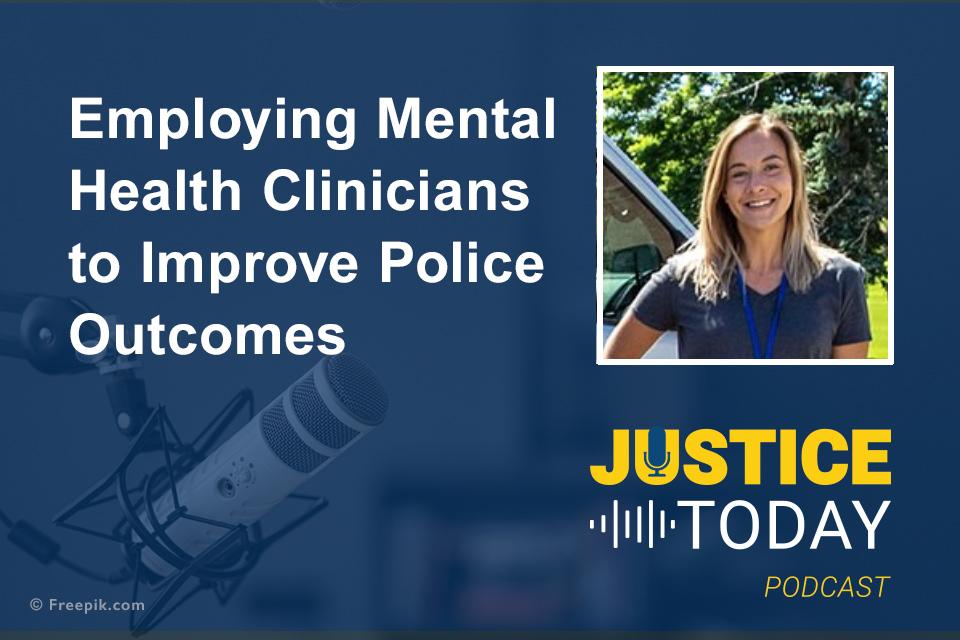
New Podcast Episode
Law enforcement agencies are teaming up with mental health clinicians to improve behavioral health responses and allow police officers to focus on crime reduction. Learn how Denver police work side-by-side with mental health clinicians to treat residents experiencing mental health emergencies and connect them with treatment.
Stay Informed
Connect with us through social media and email to stay informed about funding opportunities, events and speaking engagements, initiative announcements, resource releases, and more.